Can a hazardous-area site simply buy an explosion-proof model?
No. Confirm the hazardous zone, medium, temperature class, system arrangement and certificate scope, then have the specific configuration checked by technical staff.
Categoria:Industry application · Petrochemical, chemical and mining
A condition-based guide for acids/alkalis, solvents, brine, amine service, trace moisture in oils and mineral slurries, covering IR100/MW100 matching, materials, protection and validation.
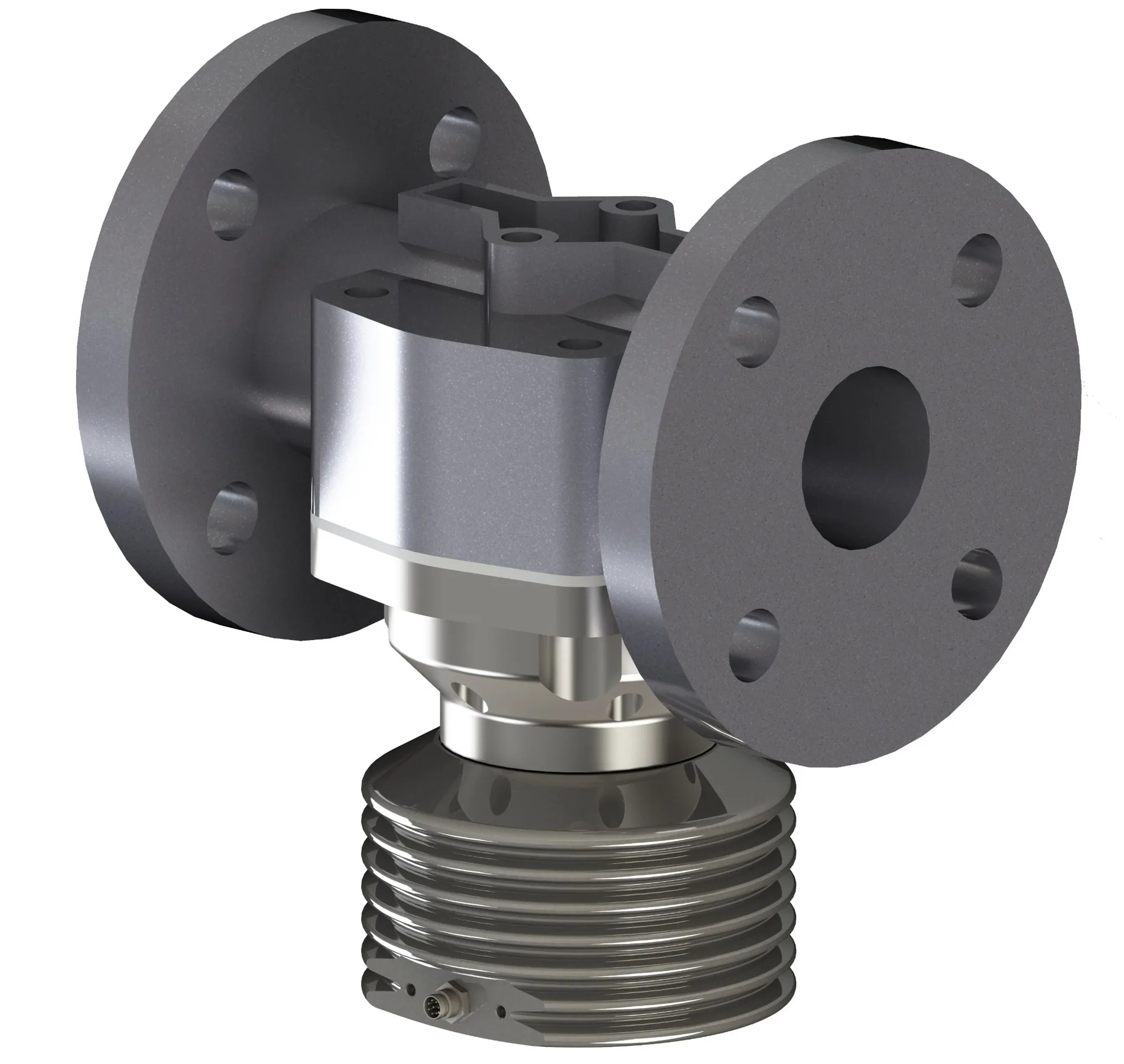
Petrochemical and chemical sites may need acid/alkali or solvent concentration, brine/amine concentration or trace moisture in oil; mining sites may need slurry or lime-milk concentration and density. Yifan Technology can first compare IR100 and MW100 from the target and medium, then screen materials, temperature, pressure, corrosion and hazardous-area conditions.
Strong acids, alkalis, solvents and solids-bearing media require an item-by-item check of wetted materials, seals, temperature/pressure limits and cleaning. A hazardous-area requirement cannot be satisfied by the word ‘explosion-proof’ alone: confirm the nameplate, zone/gas group, temperature class, associated equipment, installation system and certificate scope. Without project evidence, this page is only a preliminary assessment.
For pipe installation, confirm full-pipe condition, velocity, straight runs, bubbles and deposits; for tank insertion, confirm insertion depth, mixing, stratification and representative location. Use samples covering the main conditions with laboratory references to validate microwave and concentration models, and reassess after major composition changes.
No. Confirm the hazardous zone, medium, temperature class, system arrangement and certificate scope, then have the specific configuration checked by technical staff.
Particle composition, size, bubbles, stratification and velocity affect microwave response and sample representativeness. Site samples and a reliable reference are normally needed to validate the model and installation.